Roofs don't last forever, and solar systems are built to run for decades, so sooner or later some homeowners need a new roof with panels already up there. If that's you, take a breath: this is a routine, well-established process.
The panels come off, the roofers do their work, and the panels go back on. It just takes a little coordination, and knowing how it works makes the whole thing straightforward.
How the process works
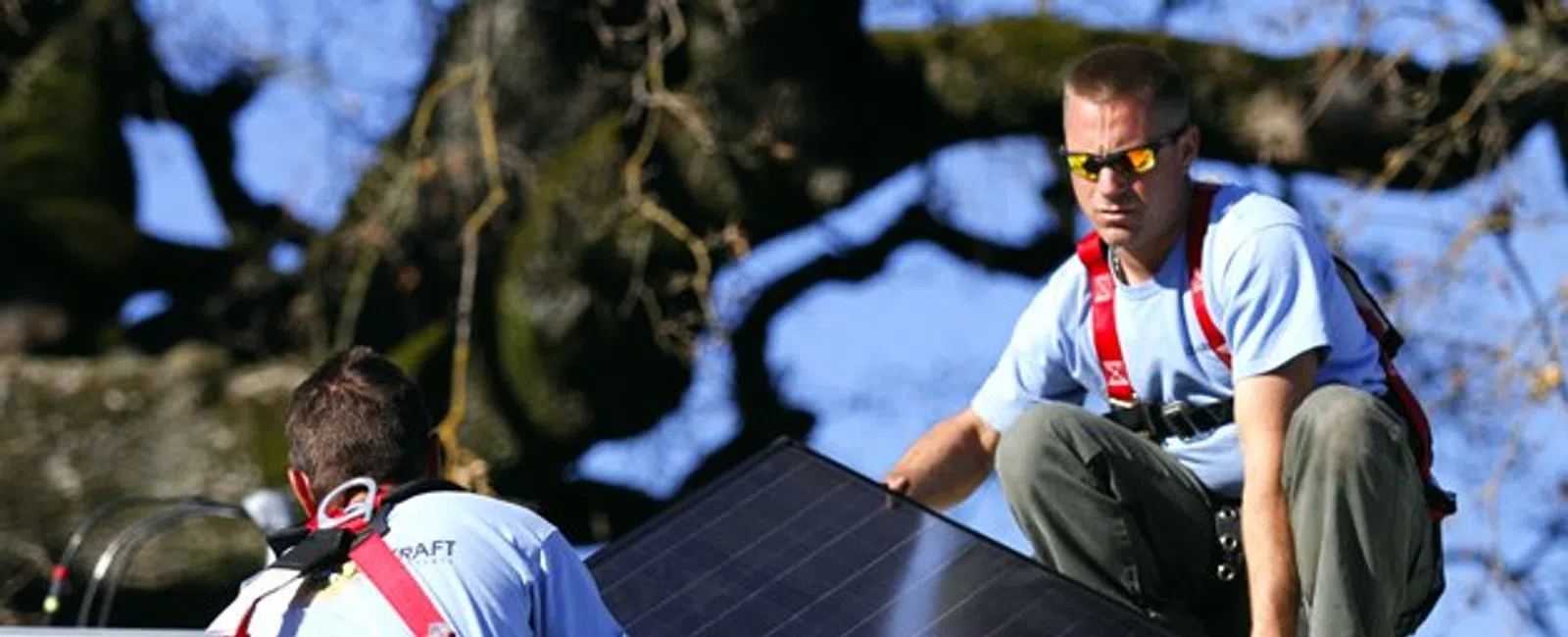
Removal and reinstall, sometimes shortened to R&R, is exactly what it sounds like. A solar crew carefully detaches your panels and racking from the roof and stores them safely on site. Your roofing contractor then has a clear, open roof to work on, just like any other re-roofing job. Once the new roof is finished, the solar crew comes back, remounts the racking and panels, reconnects everything, and confirms the system is producing again.
The sequence matters, which is why the two trades need to communicate. You can't remove panels after the roofers arrive, and the roof must be complete before the system goes back up. A little scheduling up front keeps everyone moving and keeps your system offline for as short a time as possible. Your home stays powered the whole time because you remain connected to the grid, so you're only pausing your own production.
Who does what
This is worth clarifying, because it trips people up. Roofing and solar are two different trades with two different licenses, and each should stick to what they do.
Your roofing contractor handles the roof itself: tearing off the old material, repairing the decking, and installing the new roof. SolarCraft doesn't do roofing, and we won't pretend otherwise.
We handle the solar: safely detaching and storing the panels and racking, protecting the electrical connections during the work, and putting the system back up and running afterward. Splitting it that way means each part of your home gets the right specialist, and no one works outside their expertise on something that matters this much.
Why a licensed solar company should handle the panels
It can be tempting to let the roofing crew pull the panels off to save a step. We'd gently steer you away from that, for a few solid reasons.
Your solar system is an electrical system. Detaching and reconnecting it involves wiring, grounding, and connections that require a licensed electrician's expertise, not just someone comfortable on a roof. Done incorrectly, you can end up with a system that underperforms or doesn't come back online cleanly.
Don't forget your warranty. Work done by an unqualified party can jeopardize coverage for your equipment and installation, as our post on solar panel warranties explains. Having a licensed solar company do the work keeps that protection intact.
And finally, panels are valuable, somewhat fragile equipment. Handling, storing, and remounting them properly protects the investment you've already made.
Plan it early, and plan it together
The smoothest projects are the ones where the homeowner brings both companies into the conversation early. If you know a new roof is coming, reach out about the solar side before the roofing is scheduled, not after the crew is booked for Monday.
Early planning lets us coordinate timing directly with your roofer, so the panels come off right before the work starts and go back on right after it ends. It also gives everyone a chance to flag anything worth handling while the roof is clear, which is much easier than revisiting it later.
A good moment to look at your system
Here's a small upside. With your panels off the roof, your system is more accessible than it will be for a long time. It's a natural moment for a closer look at your equipment, your wiring, and how everything is mounted.
Some homeowners also use the opportunity to think about whether their system still fits their life. If your electricity use has grown since you installed, from an electric vehicle or a bigger household, or if you've been considering adding battery storage, the reinstall is a sensible time to talk about it. There's no pressure to change anything, but it's worth a conversation while the roof is open.
Timing your roof and your solar in the first place
If you're reading this before you've gone solar, there's a useful takeaway. Because panels are designed to produce for 25 years or more, as we cover in how long solar panels last, it's worth making sure your roof has comparable life left before you go solar. When the roof is near the end of its run, handling it first is simpler than doing it later. We check roof condition during every site visit and tell you honestly where things stand.
We'll take care of the solar side
Whether we installed your system or another company did, we can handle removal and reinstallation and coordinate with your roofer to keep everything running smoothly. Our in-house team also services systems installed by companies that have since closed, so you have a local partner even if your original installer is gone.
We've designed, installed, and serviced solar systems across Marin, Sonoma, and Napa since 1984. We're 100% employee-owned; we've installed more than 9,000 systems, and we're licensed as a General Contractor (B) and Electrical Contractor (C-10). We were also one of the first companies in California to obtain the state's C-46 solar license, so your panels are in experienced, licensed hands from the moment they come off the roof.
Planning a new roof? Contact SolarCraft or call Sonoma/Napa 707.778.0568 or Marin 415.382.7717.