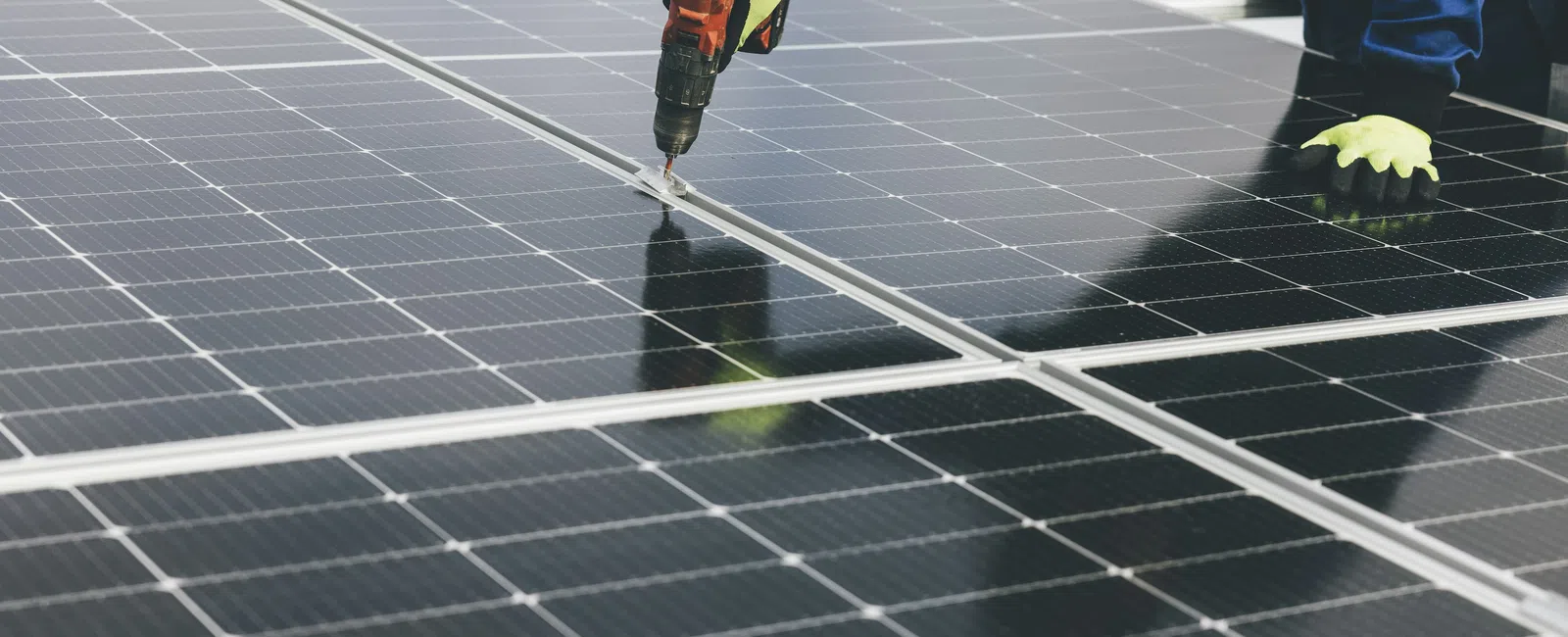
Yes, in most cases you can add panels to an existing solar system. Homeowners usually do it because their electricity use has grown since they went solar, often from an electric vehicle, a home office, or more people in the house.
Expanding works well when it's designed around your current equipment, and it's a natural time to add a battery if you don't have one yet.
Signs your system has outgrown your usage
When we design a system, we size it to your home's electricity use at the time. If your usage climbs afterward, your panels cover a smaller share, and you buy more from PG&E than you used to.
A few changes commonly cause that:
An electric vehicle, which can add more to a household's electricity use than almost any other single change. Working from home, which moves daytime use from an office to your house. An addition, a new ADU, or more people living at home. Replacing gas appliances with electric ones, such as an induction range or electric water heater.
If your electricity bills have crept up even though your panels are producing normally, your usage has likely grown past what your system was sized for. Your monitoring app and your PG&E usage history will show it. Comparing a recent year of usage against the year before your new car or home office arrived usually makes the change easy to see, and it gives us the numbers we need to size an expansion properly.
What we check before expanding
Adding panels isn't just about fitting more onto the roof. We look at how the new panels will work with your existing setup.
- Roof or ground space. We check whether there's good, unshaded space for more panels. If the roof is full, a ground-mounted array may be an option on properties with room.
- Your inverter. This is often the deciding factor. Systems with microinverters are usually simpler to expand because each new panel has its own small inverter. Systems with a central inverter may already be near capacity, in which case the expansion may need its own inverter or a larger replacement.
- Your electrical panel. More generation means more power feeding into your panel. We check whether your panel can take it, and if it needs work, we include that in your proposal. Our post on electrical panel upgrades explains when that comes into play.
- Matching the equipment. Panels have changed since many existing systems were installed, and newer panels produce more power in the same space. We'll make sure new and existing equipment work together properly.
Your PG&E arrangement
Expanding a system means updating your interconnection with PG&E, and it may affect how your account is billed. The specifics depend on when you installed your original system and which rate plan you're on. We handle the paperwork and will explain any changes to your account before you decide.
Add storage while you're at it
If your existing system doesn't have a battery, an expansion is a good time to add one. Much of the growth in household use, especially EV charging, happens in the evening, after your panels have stopped producing. A battery stores your daytime solar for those hours, so the new panels and the battery work together: more power during the day, and a way to use it after dark.
A battery also keeps your home running during outages, which a solar system without storage can't do. Our post on adding a battery to your existing solar covers that side in more detail.
Planning for changes you can see coming
If you know your usage is about to grow, it often makes sense to size the expansion for where you're headed, not where you are today. A household planning to buy an electric car next year, finish an ADU, or swap a gas range for induction can build that into the design now. Expanding once costs less and causes less disruption than adding panels in two separate projects.
Your PG&E usage history shows how much power you use today, and we'll talk through what's likely to change over the next few years. From there, we can size the expansion and any battery to fit both. Our post on what uses the most electricity in your home is a useful place to start if you're thinking about upcoming changes.
Systems we didn't install
You don't need to have bought your original system from us to expand it. We regularly work on systems installed by other companies, including those whose original installer has closed. We'll review your existing equipment and design the expansion around it.
How it works
An expansion follows the same process as a new installation: a site visit, a proposal, permits, installation, inspection, and PG&E approval. On-site work is often shorter than a full installation, though permitting and utility approval still run on their own schedules. Our post on what to expect when you go solar walks through each step.
Getting started
If your electricity use has grown since you went solar, an expansion can bring your system back in line with how your household uses power today, and adding a battery lets you use that power around the clock. We'll review your current system and usage and tell you what makes sense.
We've designed and installed solar and battery storage across Marin, Sonoma, and Napa since 1984. We're 100% employee-owned, licensed as a General Contractor (B) and Electrical Contractor (C-10), and one of the first companies in California to obtain the state's C-46 solar license.
Ready to grow your system? Contact SolarCraft or call Sonoma/Napa 707.778.0568 or Marin 415.382.7717.